
Jul 30, 2026Technical Articles
Spherical sand with low angularity coefficient, ideal raw sand for precision casting
What is Angularity Coefficient/Advantages of Spherical Sand in Foundry Production
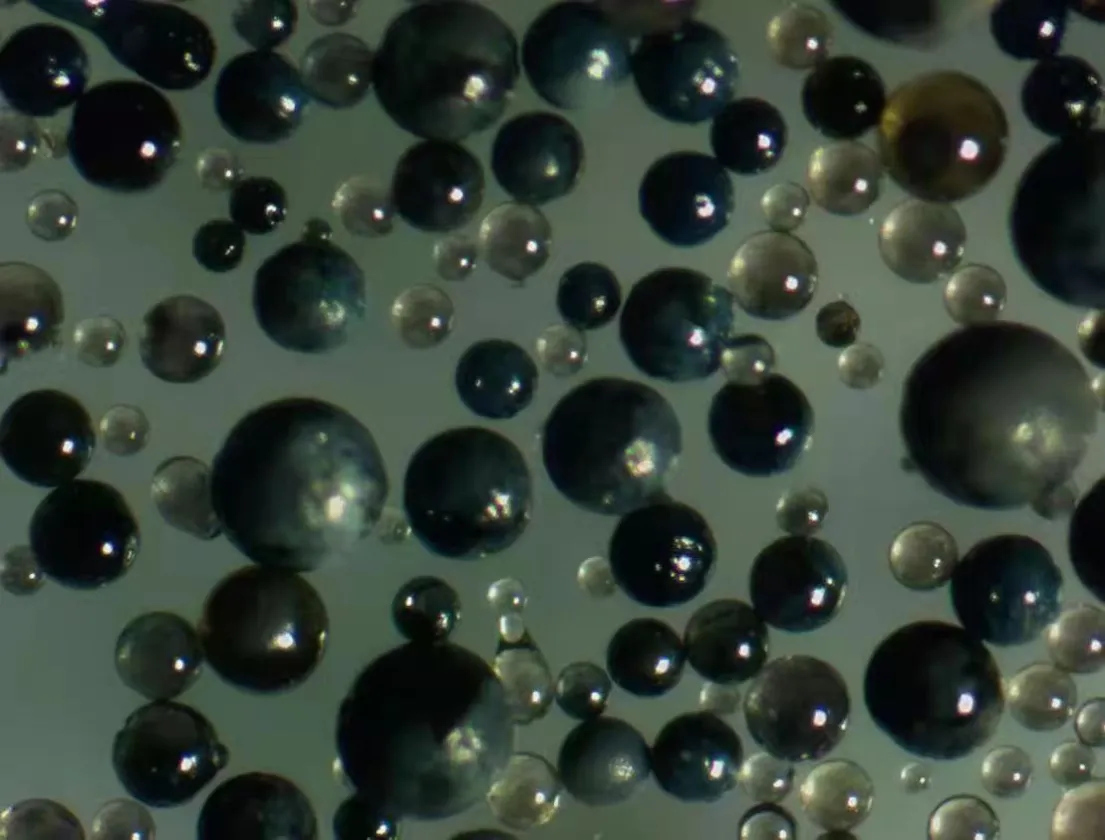
What is Angularity Coefficient?
The angularity coefficient is an important parameter to evaluate how close foundry sand grains are to a perfect sphere.Formula: Actual specific surface area of sand grain ÷ Theoretical specific surface area of an ideal sphere with the same volume.
- Perfect sphere: Angularity coefficient = 1
- Quartz silica sand: angularity coefficient 1.35~1.6 with sharp edges
- Sintered ceramsite sand: smooth round shape, angularity coefficient ≤1.1
A higher angularity coefficient means more sharp edges and larger specific surface area, which requires more resin binder for coating.
Advantages of Spherical Sand in Foundry Production
- Reduce binder consumption and minimize gas defectsSpherical sand has a smaller specific surface area. Less resin is required to reach the same sand core strength. Lower resin dosage reduces gas evolution during pouring, effectively preventing blowhole defects and cutting binder cost.
- Outstanding flowability for complex thin-wall sand coresRound grains have low friction resistance. The molding sand can fully fill narrow, intricate thin-wall cores, achieving uniform compactness without incomplete shooting or loose areas.
- Better high-temperature deformability to avoid veining and hot tearingSpherical grains form point-to-point contact inside the sand core, allowing moderate deformation under high temperature. Combined with low thermal expansion of ceramsite sand, it relieves thermal stress and prevents sand core cracking and casting veining.
- Low breakage rate and excellent reclamation performanceWithout sharp edges, spherical sand hardly pulverizes during sand mixing, shooting and sand reclamation. The recycling rate of used sand is improved, and waste sand output is reduced.
- Good shakeout performance to cut casting cleaning workAfter casting cooling, spherical sand cores collapse easily. It is much simpler to remove sand from deep cavities and long oil passages, lowering shot blasting and manual grinding labor costs.