
Aug 15, 2026Technical Articles
Common Casting Defects, Causes and Solutions
Learn about typical casting defects, causes and practical solutions. High‑performance ceramsite sand reduces porosity, burn‑on, scabbing and fins for better precision casting quality.
Technical article for website | Highlight the improvement effect of ceramsite sand
1. Gas Porosity
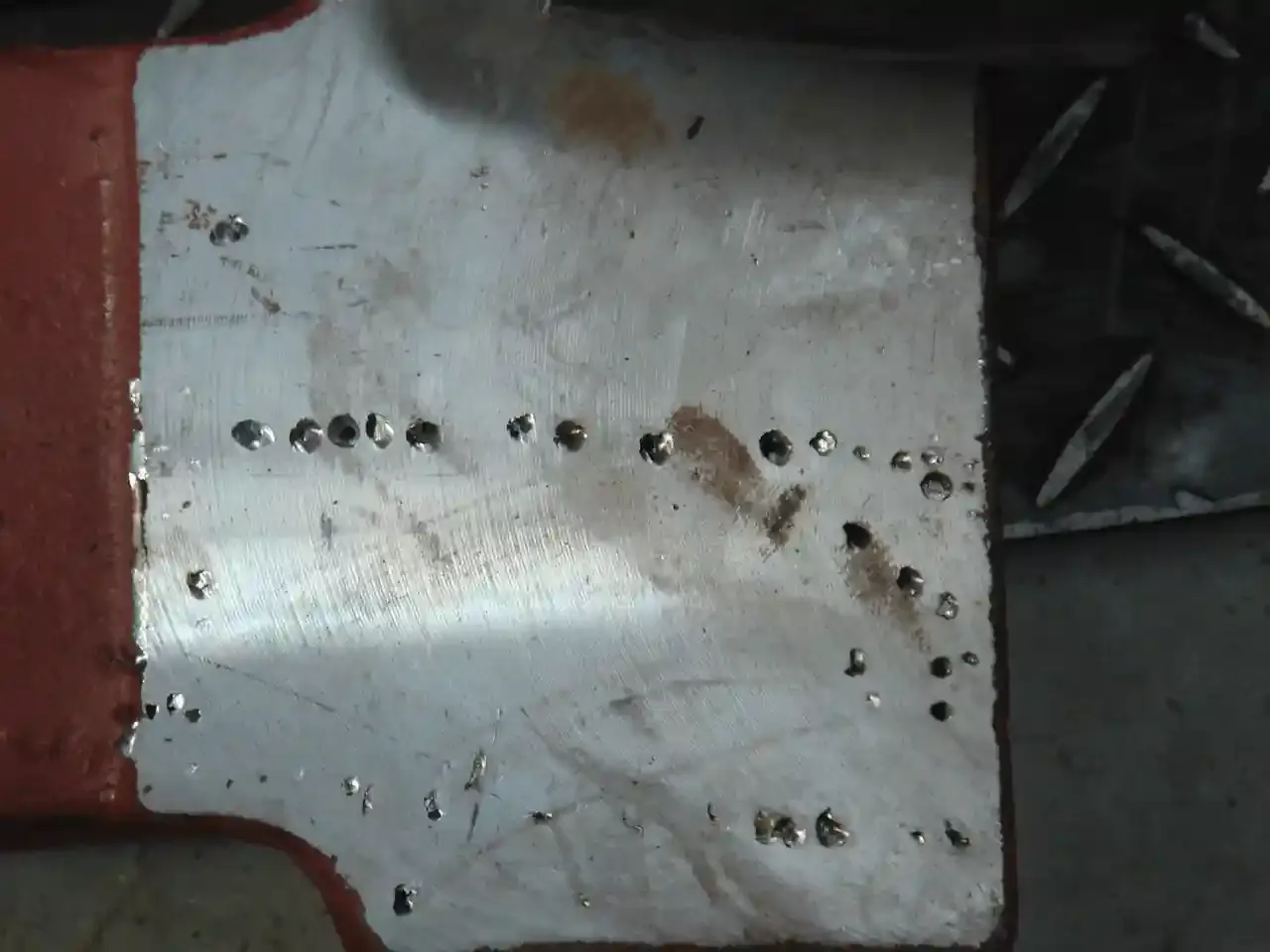
Phenomenon: Smooth‑walled holes on the surface or inside castings.
Causes
- High gas evolution of sand, excessive addition of resin and hardener.
- Poor venting of sand cores and insufficient venting channels in the mold.
- Too fast pouring speed, entrapping gas into molten metal.
- Moisture absorption of sand cores.
Solutions
- Adopt spherical ceramsite sand with low gas evolution to reduce resin consumption.
- Optimize sand‑core venting and open vent slots.
- Control pouring speed to achieve smooth mold filling.
- Store sand cores properly to prevent moisture absorption.
2. Metal Penetration / Burn‑on
Phenomenon: Sand sintered and adhered to casting surface, hard to clean.Causes
- Insufficient refractoriness and large thermal expansion of base sand.
- Over‑high pouring temperature; poor coating quality.
- Large gaps between sand grains allow molten metal penetration.
Solutions
- Use high‑alumina sintered ceramsite sand. Its spherical grains form dense packing and resist metal penetration.
- Set proper pouring temperature.
- Apply suitable casting coating with uniform thickness.
3. Sand Inclusion
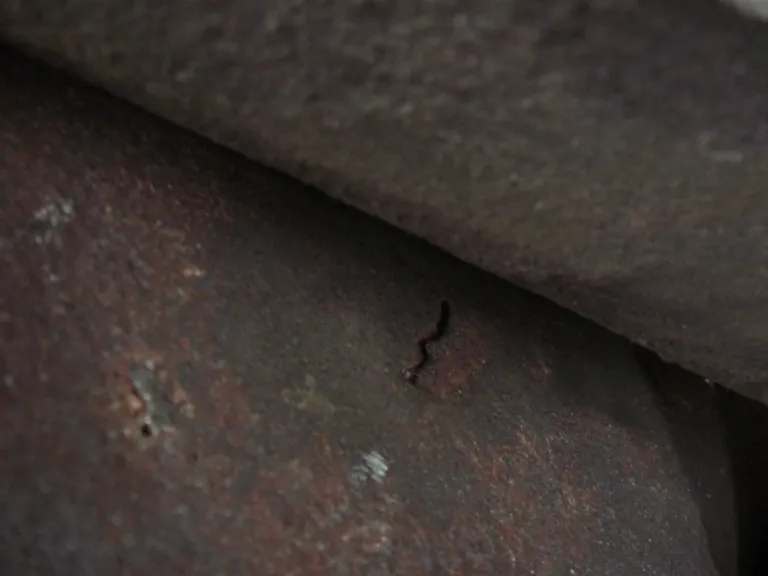
Phenomenon: Pits or holes filled with sand particles on castings.Causes
- Low strength of sand core, causing sand washing and sand falling.
- Residual loose sand on parting faces and sharp corners before mold closing.
- Molten metal scours sand core surface during pouring.
Solutions
- Improve sand core strength. Spherical ceramsite sand delivers better flowability and higher compaction to reduce sand loss.
- Clean loose sand completely before mold assembly.
- Design gating system to reduce direct impact on sand cores.
4. Scabbing
Phenomenon: Peeling, patch‑like bulges or depressions on casting surface.Causes
- Large thermal expansion of silica sand; mold surface layer arches and cracks under heat.
- Thermal stress causes surface shell peeling of mold.
Solutions
- Replace high‑expansion silica sand with low‑thermal‑expansion ceramsite sand.
- Optimize resin curing process.
- Lower pouring temperature appropriately.
5. Shrinkage Cavity & Shrinkage Porosity
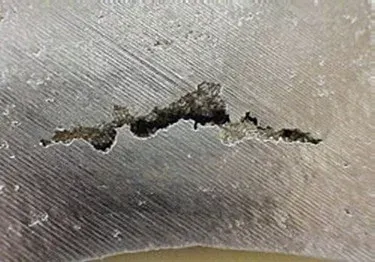
Phenomenon: Large cavities at thick sections; shrinkage porosity shows dense tiny pores.Causes
- Unbalanced wall thickness of casting structure.
- Improper riser feeding design.
- Poor mold yieldability hinders casting shrinkage.
Solutions
- Optimize gating‑riser feeding system.
- Select molding sand with good yieldability.
- Avoid overheating by controlling pouring temperature.
6. Hot Tear & Cold Crack
Phenomenon: Irregular cracks. Hot tears have rough fracture surface; cold cracks are relatively straight.Causes
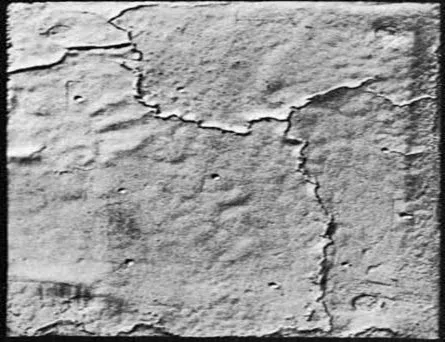
- Obstacles to solidification shrinkage of castings.
- Poor shakeout performance of sand molds / cores restricts casting contraction.
- High brittleness of alloy material.
Solutions
- Optimize casting structure to avoid sharp corners.
- Guarantee good shakeout property of molding sand.
- Adjust pouring process and cooling rate.
7. Distortion
Phenomenon: Warpage and dimensional out‑of‑tolerance of finished castings.Causes
- Insufficient stiffness of sand core leads to deformation after pouring.
- Uneven cooling shrinkage of castings.
- Shake‑out too early.
Solutions
- Make sand cores with spherical ceramsite sand for high stiffness and excellent dimensional stability.
- Cool sufficiently before shake‑out.
- Optimize gating‑riser layout for balanced cooling.
8. Fins and Veins
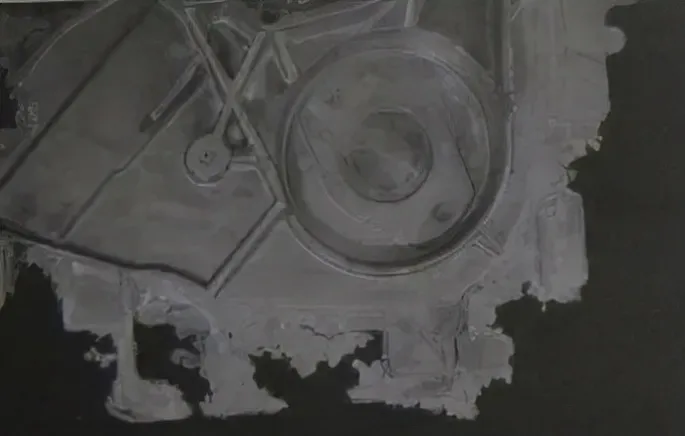
Phenomenon: Sheet‑like burrs generated on mold joints and core gaps.Causes
- Thermal expansion of sand pushes open parting lines and core gaps, mainly caused by silica sand.
- Loose mold closing and excessive assembly clearance of sand cores.
Solutions
- Adopt ceramsite sand with low thermal expansion to avoid expanded gaps.
- Fasten mold closing strictly and control sand‑core assembly clearance.
If you are troubled by the above casting defects, our premium ceramic foundry sand can effectively improve many typical casting problems.View Ceramic Sand Products