
Aug 20, 2026Technical Articles
10 Main Casting Processes: Detailed Introduction
Learn the 10 major metal casting processes including sand casting, investment casting, die casting, lost‑foam casting. Understand definitions, pros & cons, workflows and industrial applications.
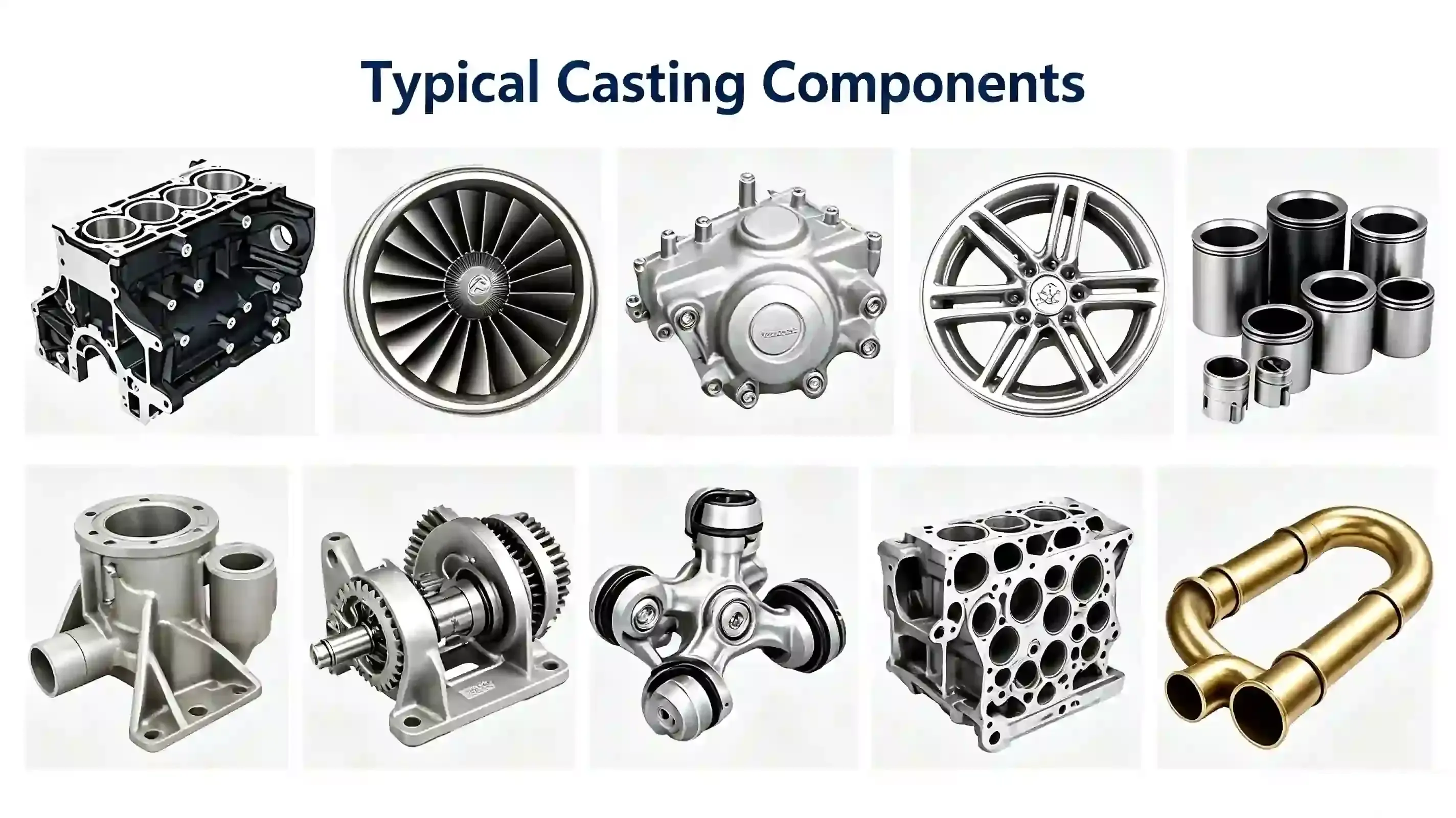
Table of Contents
- Sand Casting
- Investment Casting (Lost‑Wax Casting)
- Die Casting
- Low‑Pressure Casting
- Centrifugal Casting
- Permanent‑Mold Casting (Gravity Die Casting)
- Vacuum Die Casting
- Squeeze Casting
- Lost‑Foam Casting
- Continuous Casting
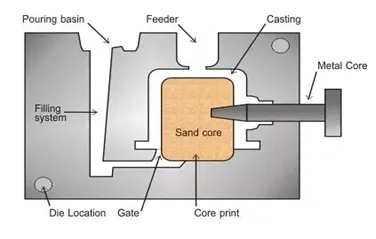
1. Sand Casting
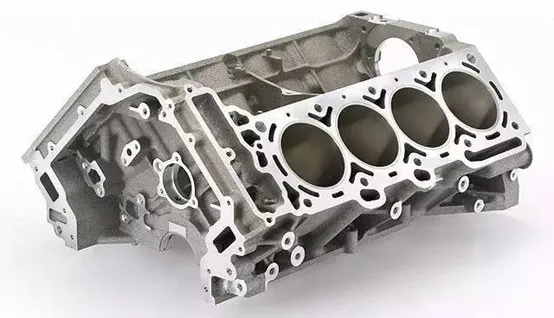
Sand casting is a manufacturing method that produces castings inside sand molds. Steel, iron and most non‑ferrous alloy parts can be manufactured by sand casting.Process FlowTechnical Features
- Suitable for blanks with complex shapes, especially complex inner cavities.
- Wide adaptability and low production cost.
- For materials with poor plasticity such as cast iron, sand casting is the primary forming process.
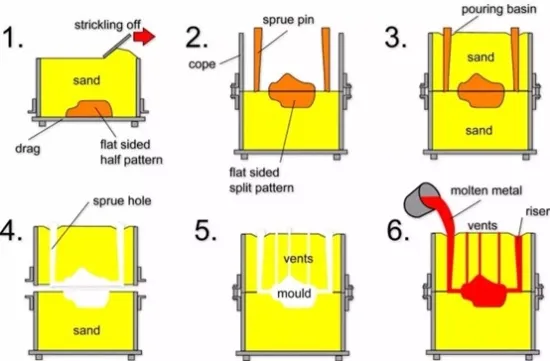
Typical Applications: Automotive engine blocks, cylinder heads, crankshafts and other heavy‑duty castings.
2. Investment Casting (Lost‑Wax Casting)
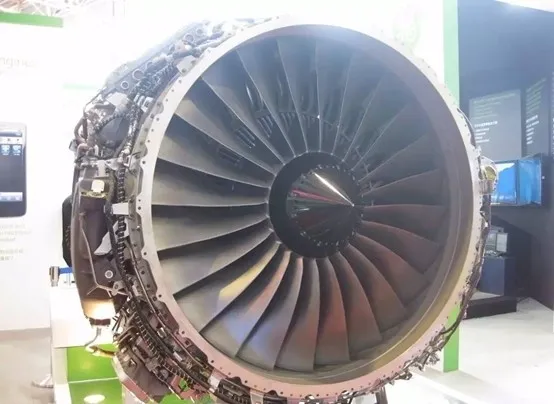
Investment casting uses fusible patterns. The pattern is coated with multi‑layer refractory materials to build a ceramic shell. After melting out the pattern, the shell is fired for pouring. No parting line exists on the finished mold.Process FlowAdvantages
- High dimensional and geometric accuracy.
- Excellent surface finish quality.
- Can produce complex‑shaped castings for almost all alloy types.
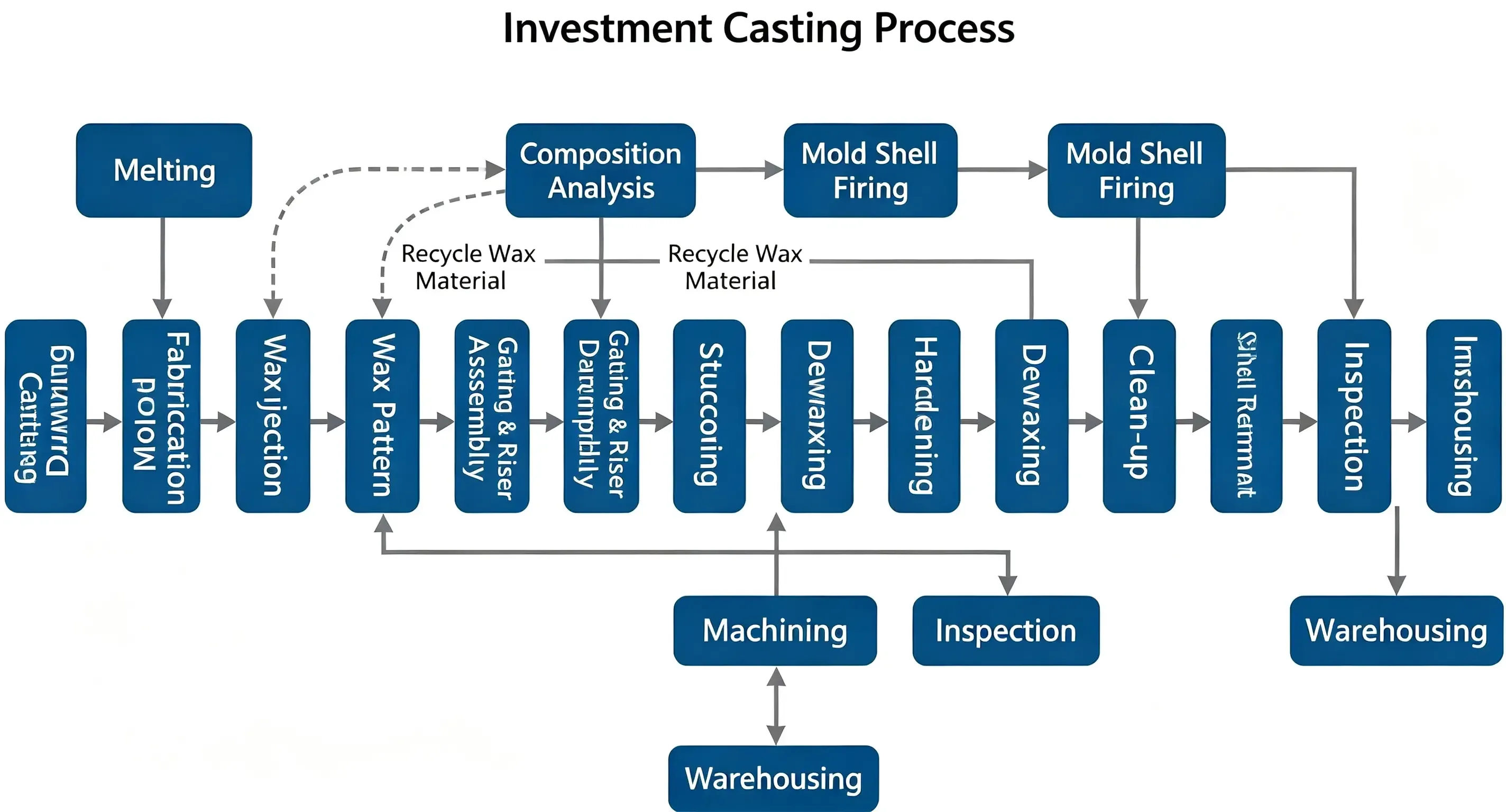
Disadvantages: Many working procedures, relatively high overall cost.Typical Applications: Small complex precision parts such as aero‑engine turbine blades.
3. Die Casting
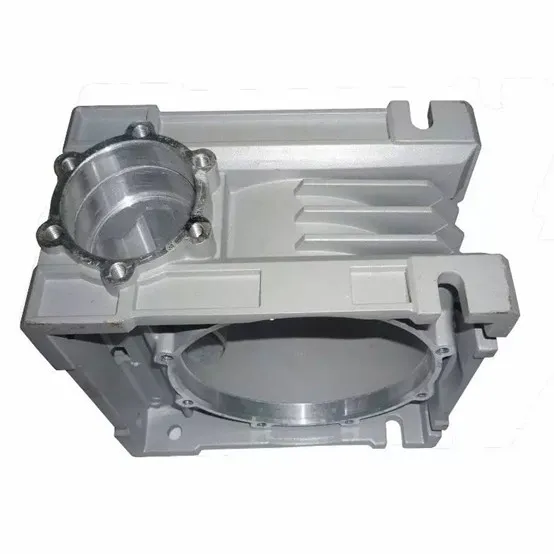
Die casting forces molten metal at high speed and high pressure into precision metal dies. Parts solidify under pressure inside the mold cavity.Process FlowAdvantages
- High pressure & fast filling speed.
- Stable dimension and good part interchangeability.
- High production efficiency for mass‑volume production.
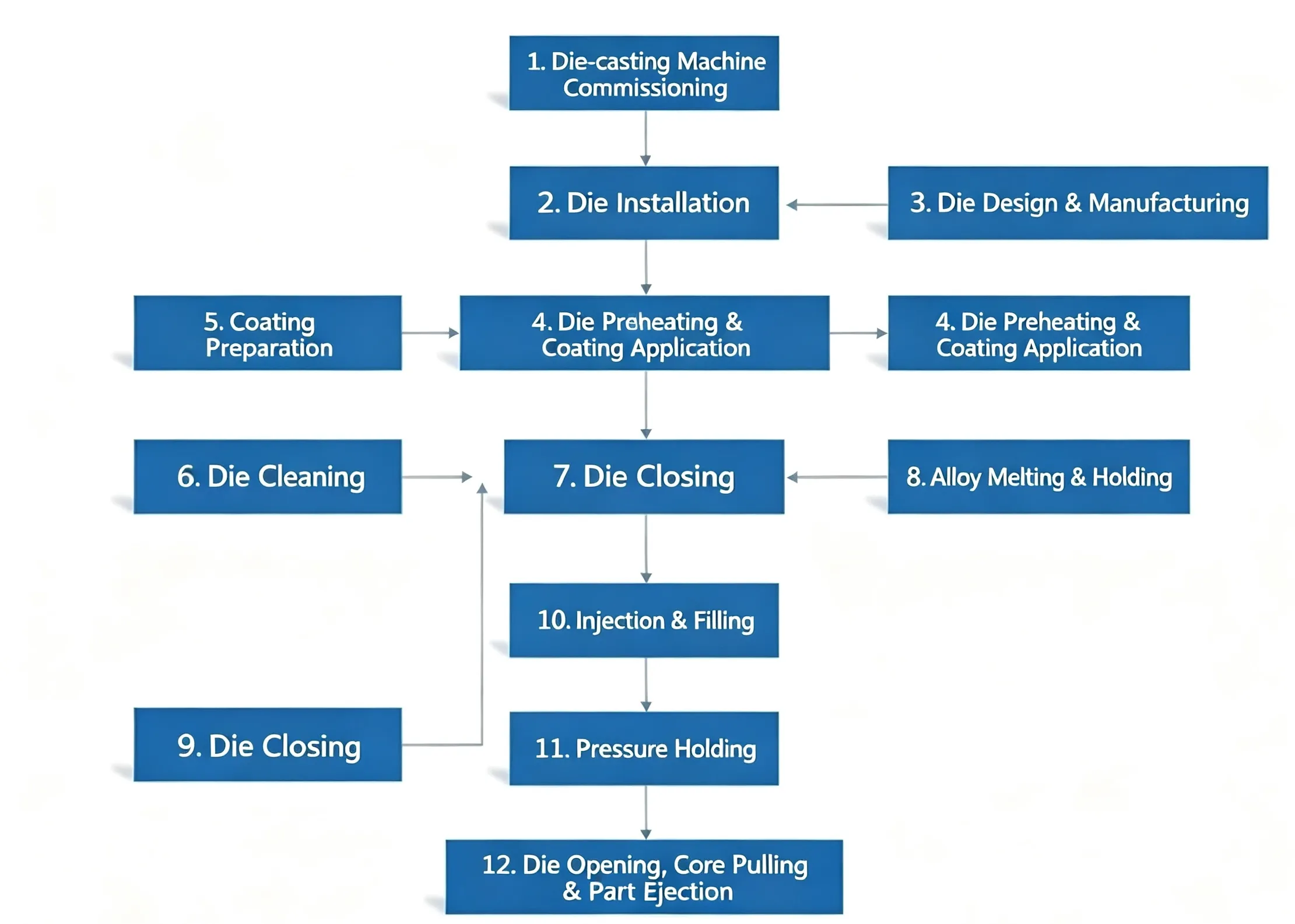
Disadvantages
- Tiny porosity and micro‑shrinkage defects easily occur inside castings.
- Low impact resistance, not suitable for dynamic shock‑load working conditions.
- Short die service life when casting high‑melting‑point alloys.
Typical Applications: Automobile components, instrument parts, agricultural machinery, electronics, medical hardware.
4. Low‑Pressure Casting
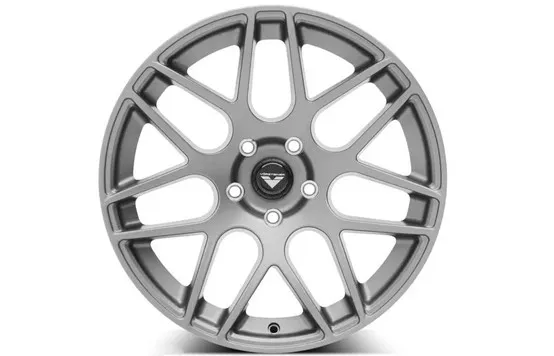
Low‑pressure casting fills mold cavities with molten metal under low pressure (0.02‑0.06 MPa). Metal solidifies under controlled pressure.Process FlowTechnical Features
- Adjustable pouring pressure and speed; compatible with metal molds, sand molds and multiple alloys.
- Bottom‑up filling keeps metal flow stable, reduces gas entrapment and mold erosion, improves casting yield.
- Pressure‑aided solidification creates dense microstructure, sharp contours and good mechanical performance; great for large thin‑wall castings.
- No heavy risers required; metal utilization ratio reaches 90‑98%.
- Simple equipment, easy mechanization & automation, low labor intensity.
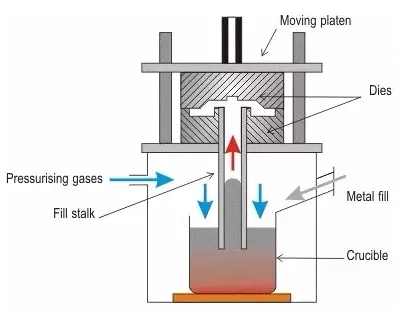
Typical Applications: Cylinder heads, automobile wheels, cylinder supports.
5. Centrifugal Casting
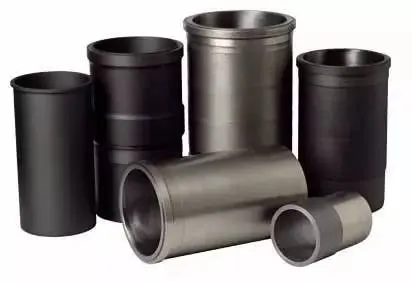
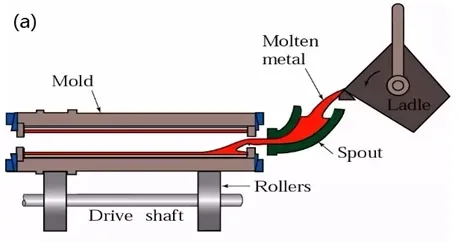
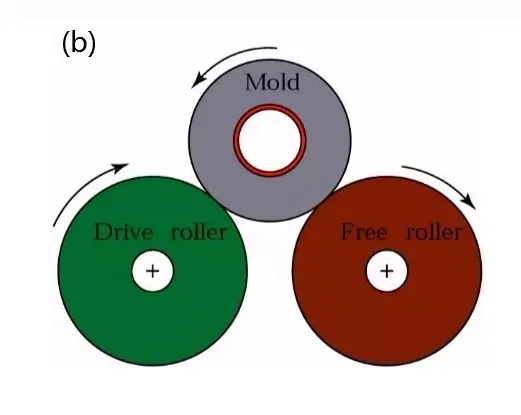
Centrifugal casting pours molten metal into high‑speed rotating molds. Centrifugal force drives metal filling and solidification.Process FlowAdvantages
- Minimal material loss for gating & riser system, high process yield.
- No inner core needed for hollow tubular castings, greatly improves metal filling performance.
- Dense casting structure, fewer slag & gas defects, improved mechanical performance.
- Convenient for composite‑metal tube & sleeve parts.
Disadvantages
- Limited capacity for irregular complex castings.
- Rough inner hole surface, large machining allowance.
- Risk of gravity segregation inside parts.
Typical Applications: Cast iron pipes, engine cylinder liners, shaft sleeves for metallurgy, mining, transportation equipment.
6. Permanent‑Mold Casting (Gravity Die Casting)
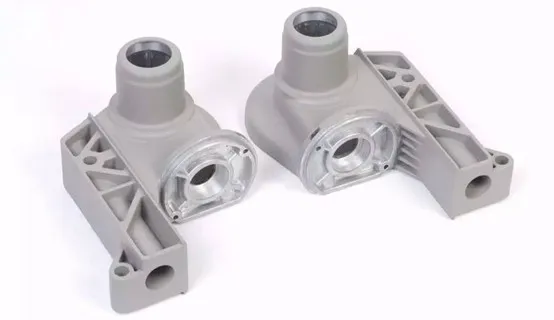
Permanent‑mold casting lets molten metal fill reusable metal molds under gravity for solidification.Process FlowAdvantages
- Fast cooling speed from metal mold’s high heat capacity, denser casting microstructure, mechanical properties around 15 % higher than sand‑cast parts.
- Stable dimensional accuracy and good surface finish.
- Reduced sand consumption, less dust and harmful fumes, better working environment.
Disadvantages
- Metal mold has no natural permeability; special venting measures must be designed.
- Poor mold yieldability, casting cracks may occur during solidification shrinkage.
- Long mold development cycle and high tooling cost; economical only in mass‑volume production.
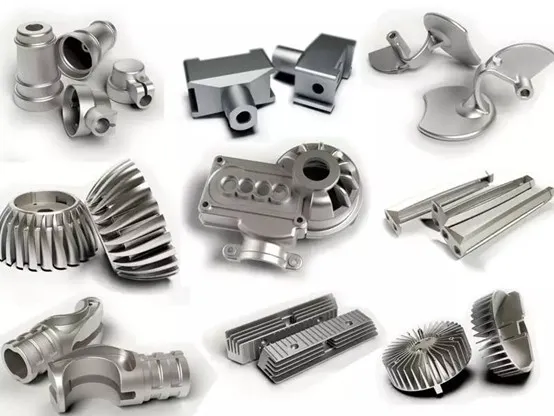
Typical Applications: Mass‑produced aluminum / magnesium alloy castings, ferrous‑metal ingots and components.
7. Vacuum Die Casting
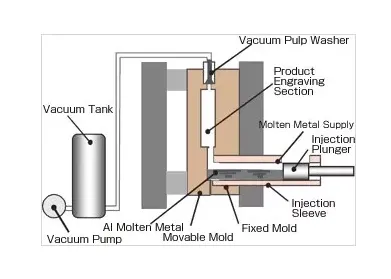
Vacuum die casting extracts air inside die‑cavity during production. It eliminates or reduces internal gas porosity, to upgrade mechanical performance and surface quality of die‑cast products.Process FlowAdvantages
- Remove internal pores; improve mechanical performance, surface quality and plating capability.
- Lower cavity back‑pressure; enables thinner‑wall castings and larger parts on smaller machines.
Disadvantages
- Complex sealing structure for dies, high manufacturing & installation cost.
- Performance improvement is limited if vacuum parameters are poorly controlled.
Typical Applications: High‑end thin‑wall aluminum alloy structural components.
8. Squeeze Casting
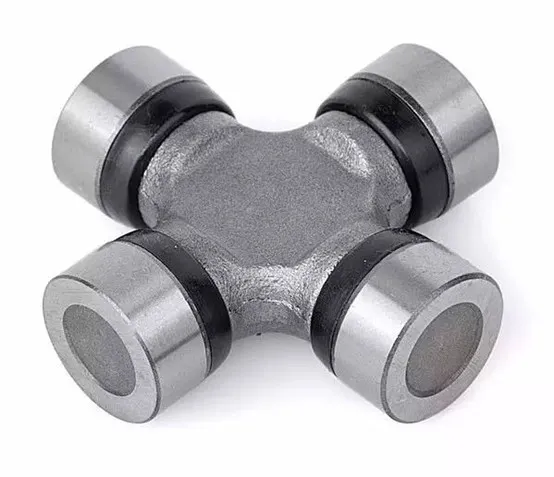
Squeeze casting solidifies and forms liquid or semi‑solid metal under high pressure. It delivers high metal utilization, simplified workflow and stable casting quality.Process Flow:
- Direct squeeze casting: coating spraying → alloy pouring → mold closing → pressing & holding → pressure release → part ejection → reset.
- Indirect squeeze casting: coating spraying → mold closing → feeding → filling → pressing & holding → pressure release → part ejection → reset.
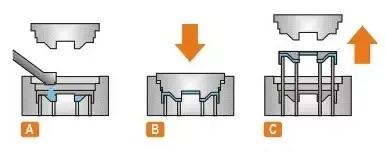
Technical Features
- Eliminates internal shrinkage cavity, shrinkage porosity and blowhole defects.
- Good dimensional accuracy and fine surface roughness.
- Effectively restricts casting crack formation.
- Easy for mechanized and automated production.
Typical Applications: Aluminum alloy, zinc alloy, copper alloy, ductile iron components.
9. Lost‑Foam Casting
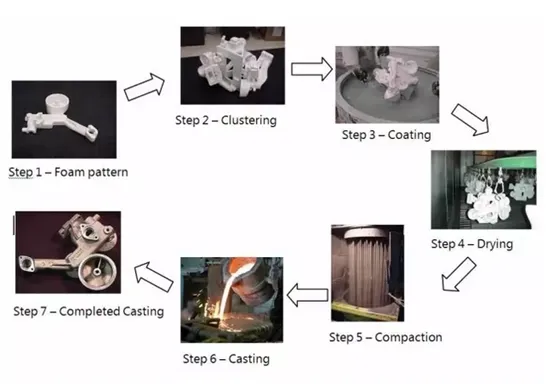
Lost‑foam casting (evaporative‑pattern casting) bonds foam patterns identical to target castings. Patterns get coated with refractory paint, buried in dry sand, and vibrated for compaction. Under negative pressure, molten metal vaporizes foam and takes its shape during solidification.Process Flow: Pre‑foaming → foam molding → coating dipping → drying → molding → pouring → shake‑out → cleaningTechnical Features
- High casting precision, no sand cores, less machining workload.
- No mold parting surface, high design freedom for complex geometries.
- Clean production mode with low pollution.
- Lower investment and manufacturing cost.
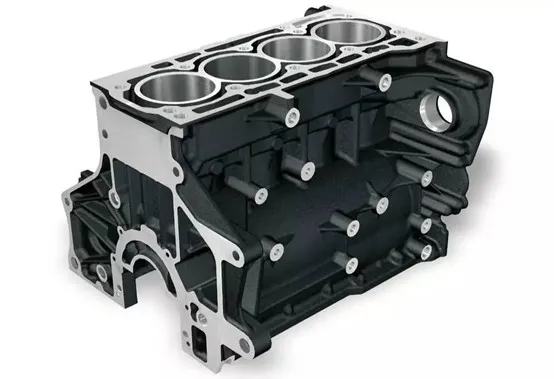
Typical Applications: Complex precision castings of all alloy categories, such as gray‑iron engine housings, high‑manganese steel elbows.
10. Continuous Casting
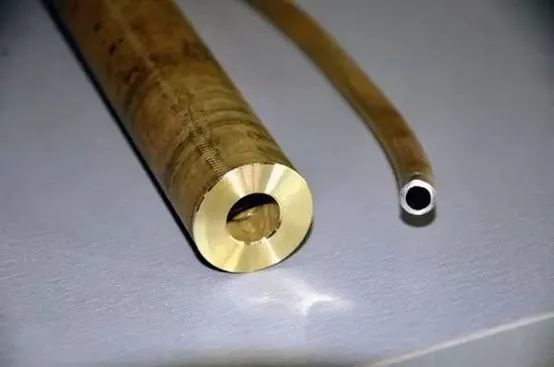
Continuous casting feeds molten metal steadily into a special water‑cooled crystallizer. After partial solidification, semi‑finished castings are continuously pulled out from the crystallizer outlet, to obtain long‑size cast blanks.Process FlowTechnical Features
- Rapid cooling leads to dense, uniform microstructure with good mechanical properties.
- High metal recovery rate and material saving.
- Simplified production workflow, low labor intensity and small workshop footprint.
- Highly suitable for mechanization and automation, boosting output efficiency.
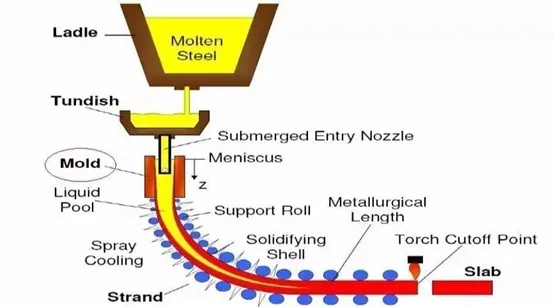
Typical Applications: Steel, iron, copper‑alloy, aluminum‑alloy long blanks: ingots, slabs, billets and tubular semi‑products.
End‑of‑article note (optional for your blog)
Different casting processes have different requirements for foundry sand. Our spherical ceramsite foundry sand delivers low thermal expansion, high refractoriness and excellent reclamation performance for multiple casting technologies.View Ceramsite Sand Products